
The price and the deposit.
The rental price is the charge for the hire: 15–20% is paid when booking and the balance at collection. The refundable deposit is money collected or blocked under the rental company’s conditions. The deposit is separate from the amount paid for the rental.
The deposit amount, accepted payment method and return period appear during booking and in the voucher.
The description of any additional insurance sets out its scope. The deposit shown for the car remains a separate detail.
What does the selected cover include?
Insurance conditions are attached to the particular car. The rental company’s offer describes the included cover and any additional option. The detail matters because the name of a cover package alone leaves out the exclusions and the steps required after an incident.
Standard cover excludes wheels, the undercarriage, the windscreen and the interior. Those are meaningful exclusions on a road trip: the part of the vehicle involved in an incident can matter as much as the name of the cover.
The car’s insurance details describe its cover. A different car may come from a different company and have different conditions. The same destination and rental dates do not make the insurance arrangements identical.

How is the deposit held?
The deposit amount is shown with the car’s conditions. The accepted payment method also belongs to that offer. Some cars allow a debit card; others require a credit card. Acceptance of a debit card needs to be stated for the selected car.
Where the rental requires a bank card, it must be a physical, embossed card in the main driver’s name. Payment online and payment at collection are separate stages. The advance transaction therefore leaves the collection card requirements to the car’s conditions.
Some deposit returns take 30–45 days. The period can matter after the trip, particularly where that money or card balance has another purpose. The company’s release arrangement belongs alongside the amount when comparing the overall cost and convenience of an offer.
If something happens on the road.
An insured incident requires immediate contact with the rental company. A police report is required unless another arrangement has been agreed. The rental company’s contact details in the booking email provide the contact route for the booking.
Insurance is invalid for deliberate damage caused by intentional vandalism or neglect. The rules for the driver and the use of the vehicle remain relevant even where an additional package has been selected.
The rental is for paved public roads. The destination may be a beach, a village or an apartment, but the access route still needs to fit that condition. Insurance labels do not change the permitted use of the car.
A ferry or a border changes the plan.
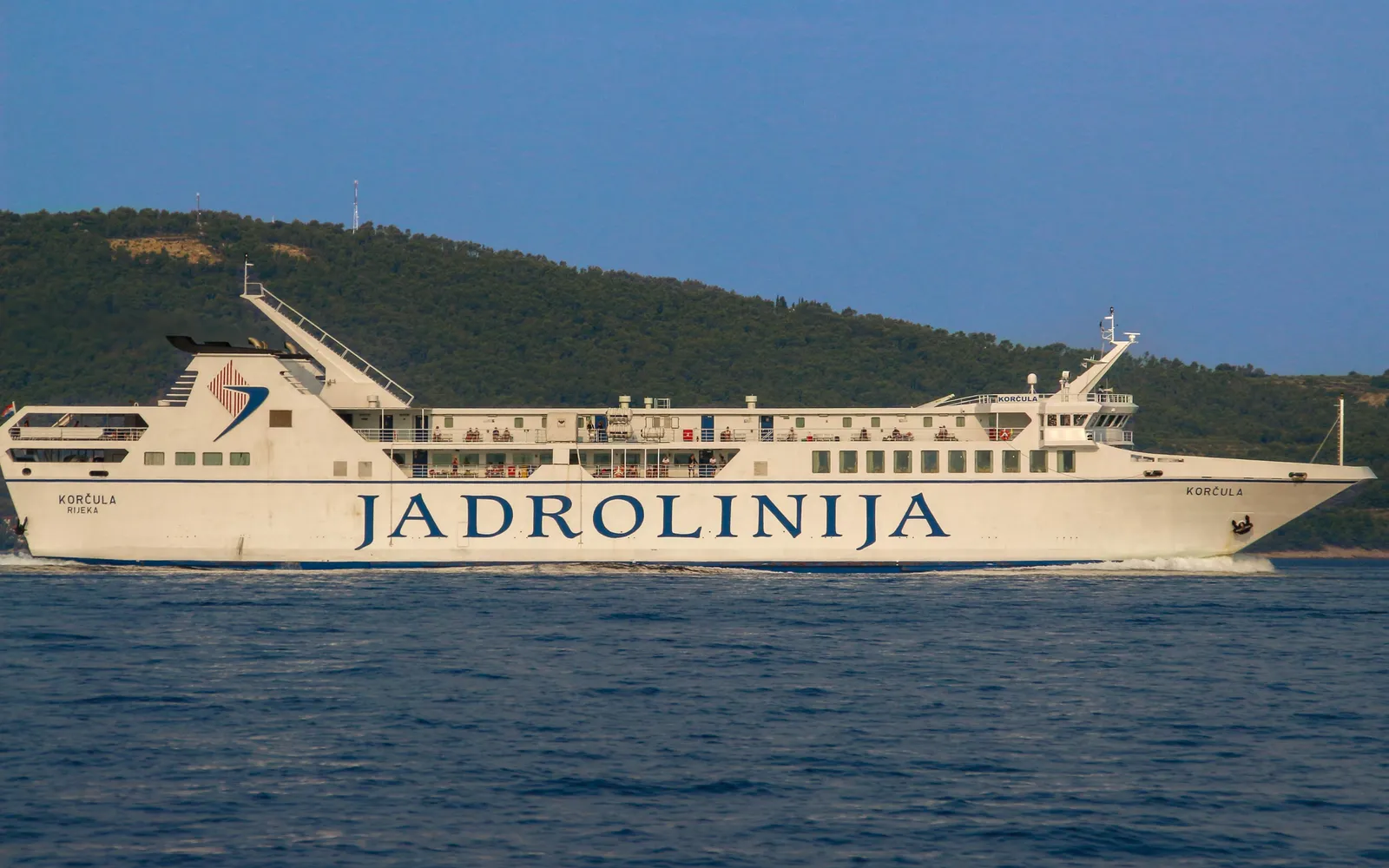
Ferry travel needs agreement before booking. The agreement relates to the intended journey and the rental company providing the car. A trip involving an island is therefore part of the booking arrangements from the outset.
Cross-border travel also needs prior agreement. Booking support handles the request with the rental company. The car, route and company determine whether it is possible and what it costs.
A ferry crossing and a national border are different requests. A trip can include one, both or neither. The selected offer and the company’s agreement determine the arrangement for that journey.
Cancellation has a separate clock.
The ordinary cancellation period is seven days before collection. Luxury cars and convertibles have a 30-day period. A car with the free-cancellation option has a 24-hour period for all categories. These are different conditions, so the option attached to the booking matters.
The payment service fee of 6% of the advance payment is retained on a refund. That percentage applies to the advance already paid, rather than to the full cost of the rental. Advance refunds are made within 14 days.
Cancellation conditions and car insurance cover different events. Insurance concerns the use of the car during the rental. Cancellation concerns a booking that will not go ahead. Both belong in the comparison, especially when travel dates are still taking shape.
The other costs of the journey.
Fuel, parking, fines and tolls remain the renter’s responsibility. The car returns with the same fuel level it had on collection. Those everyday costs sit outside the headline insurance comparison.
The balance of the rental is paid at collection after the 15–20% advance paid when booking. The deposit is separate from that balance. Together, the car’s payment conditions describe what the driver needs for collection.
A few useful answers.
01Is the deposit part of the rental balance?+
The deposit is separate from the remaining rental payment. Its amount, payment method and return arrangement are given for the selected car.
02Are wheels included in standard cover?+
Wheels, the undercarriage, the windscreen and the interior are excluded from standard cover. Any additional cover follows the selected car’s terms.
03How long can a deposit return take?+
Some deposit returns take 30–45 days. The arrangement depends on the rental company and payment method.
04What happens after an insured incident?+
Immediate contact with the rental company is required. A police report is also required unless another arrangement has been agreed.
05Does cancellation insurance describe the car’s cover?+
Cancellation conditions concern a booking that will not go ahead. The vehicle’s insurance conditions concern its use during the hire.